How to Care for Your Natural Hair
Healthy natural hair starts with consistent care. Learn how to build a simple routine that keeps your hair moisturized, manageable, and protected.
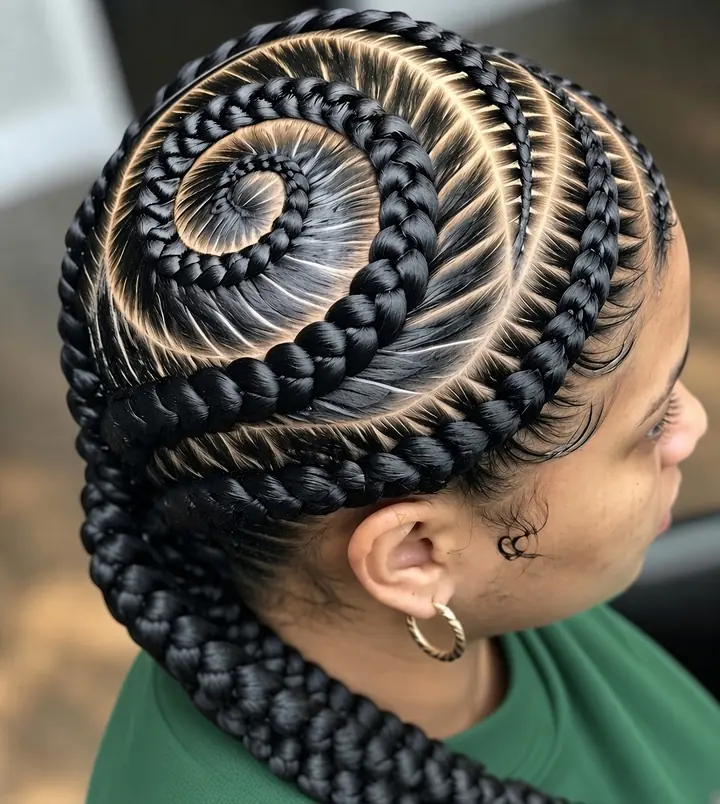
Natural hair can be strong and beautiful, but it needs the right balance of moisture, gentle handling, and protection. A good routine does not have to be complicated. The key is consistency. Explore Queen Braids Studio's braid styles for protective styling inspiration.
1. Keep Your Hair Moisturized
Natural hair can become dry more easily, especially when exposed to heat, cold weather, or frequent manipulation. Regular moisturizing helps improve softness and manageability.
Start with a water-based moisturizer or leave-in conditioner, then use a suitable oil or cream if your hair needs additional moisture retention. If you are looking for products to support your routine, explore the Queen Braids Studio shop .
2. Detangle Gently
Rough detangling can cause unnecessary breakage. Work through your hair in sections and start at the ends before gradually moving toward the roots.
- Divide your hair into manageable sections.
- Use a product that provides enough slip.
- Start detangling from the ends.
- Work slowly toward the roots.
- Avoid pulling through stubborn knots.
3. Take Care of Your Scalp
A healthy hair routine should include your scalp. Keep it clean and pay attention to dryness, buildup, irritation, or excessive sensitivity.
If you regularly wear braids or another protective style, avoid excessive product buildup and give your scalp the care it needs throughout the style. You can also read the studio's frequently asked questions for more information.
4. Protect Your Hair at Night
Friction from cotton pillowcases can contribute to dryness and tangling. A satin or silk bonnet, scarf, or pillowcase can help reduce friction while you sleep.
5. Be Careful With Heat
Frequent heat styling can contribute to dryness and damage. When using heat, keep the temperature appropriate for your hair and use a heat protectant.
You can also reduce heat exposure by choosing styles that work with your natural texture. Browse Queen Braids Studio's protective styles for ideas.
6. Choose Protective Styles Carefully
Protective styles such as braids can reduce daily manipulation and make hair care easier. Explore the available braid styles and choose a look that works for you.
If a style feels painful or excessively tight, speak with your stylist. Comfort and healthy hair should always come first.
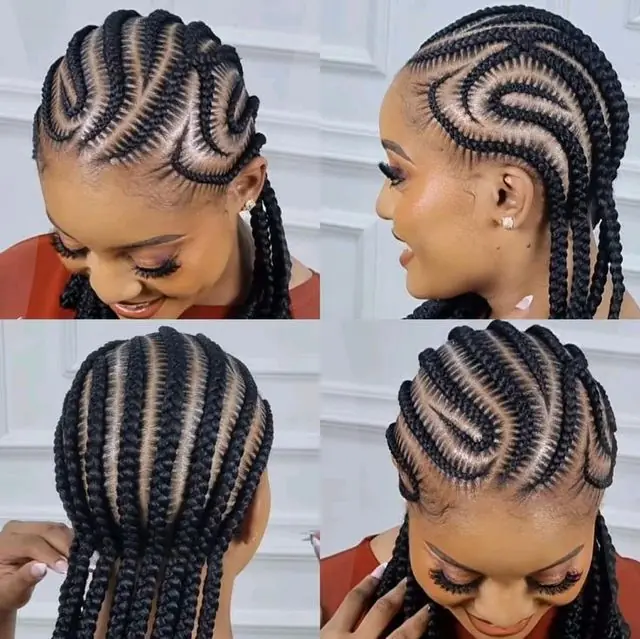
7. Keep Your Routine Simple
You do not need dozens of products to care for natural hair. A consistent routine built around cleansing, conditioning, moisturizing, gentle detangling, and protection can provide a strong foundation.
To learn more about Queen Braids Studio, visit the About section . You can also explore the braid styles or browse available hair-care products .
Frequently Asked Questions
How often should I moisturize my natural hair?
Moisturize your hair whenever it feels dry or brittle. The ideal frequency depends on your hair type, porosity, environment, and styling routine.
How should I detangle natural hair?
Detangle gently in sections, preferably when your hair has enough moisture and slip. Start from the ends and work toward the roots.
Are protective styles good for natural hair?
Protective styles can reduce daily manipulation, but they should not be installed too tightly. Your natural hair and scalp still need proper care while wearing the style.
Ready for Your Next Protective Style?
Explore the braid styles and hair-care essentials from Queen Braids Studio.
Book Your Appointment